Introduction
Dysphagia, a medical term used to define problem ingesting, is a problem that impacts millions of individuals worldwide. It can originate from different reasons including neurological disorders, architectural abnormalities, or simply the aging process. For care staff and professionals operating in health care setups, comprehending dysphagia is critical, not only to guarantee correct patient care however additionally to enhance the lifestyle for those influenced. Navigating Dysphagia: Essential Training for Treatment Staff is an indispensable source that serves to inform caretakers about the complexities of this problem and offer them with the necessary abilities to handle it effectively.
Understanding Dysphagia: An Overview
What Is Dysphagia?
Dysphagia is greater than simply a problem in swallowing; it's a multifaceted problem that can result in severe issues like aspiration pneumonia, dehydration, and malnutrition. Comprehending its intricacies is important for any type of care team undergoing dysphagia training for carers
Signs and Signs of Dysphagia
- Coughing or choking while eating Feeling of food embeded the throat Pain while swallowing Frequent heartburn or indigestion
Recognizing these signs and symptoms early on can dramatically enhance client outcomes.
The Importance of Dysphagia Training for Care Staff
Why Is Dysphagia Training Critical?
Care team are typically on the front lines when it involves recognizing and taking care of dysphagia. Appropriate training outfits them with the abilities required to acknowledge signs and symptoms early and execute secure eating practices.
Benefits of Dysphagia Training Courses
Enhanced Person Security: Reducing risks associated with ingesting difficulties. Improved Quality of Life: Making sure individuals appreciate their dishes without stress. Regulatory Conformity: Meeting health care policies associated with individual care.Components of Effective Dysphagia Care Training
Assessment Techniques
Clinical Ingesting Evaluations
Understanding exactly how to do scientific swallow examinations will be pivotal in any kind of effective dysphagia training course. This technique helps examine a patient's swallowing capabilities and determine suitable interventions.

Dietary Modifications
Food Texture and Consistency
One crucial emphasis area in dysphagia training for nurses is discovering how to modify food textures. Foods might require to be mixed or changed according to particular degrees of dysphagia:
|Degree|Appearance|Summary|| -------|---------------------|----------------------------------|| 1|Pureed|Smooth uniformity; no lumps|| 2|Minced Soft|Soft pieces; simple to swallow|| 3|Sliced|Small pieces; requires eating|
Swallowing Strategies
Techniques for Safe Eating
Training must additionally include numerous strategies such as:
- Chin Tuck: Assists avoid aspiration by guiding food down the esophagus. Postural Changes: Positioning can considerably influence ingesting safety.
Navigating Dysphagia: Important Training for Care Staff
The Role of Multidisciplinary Teams
In handling dysphagia, a collaborative strategy entailing speech therapists, dietitians, and nursing personnel can cause exceptional person end results. Every specialist brings distinct experience that contributes to thorough care.
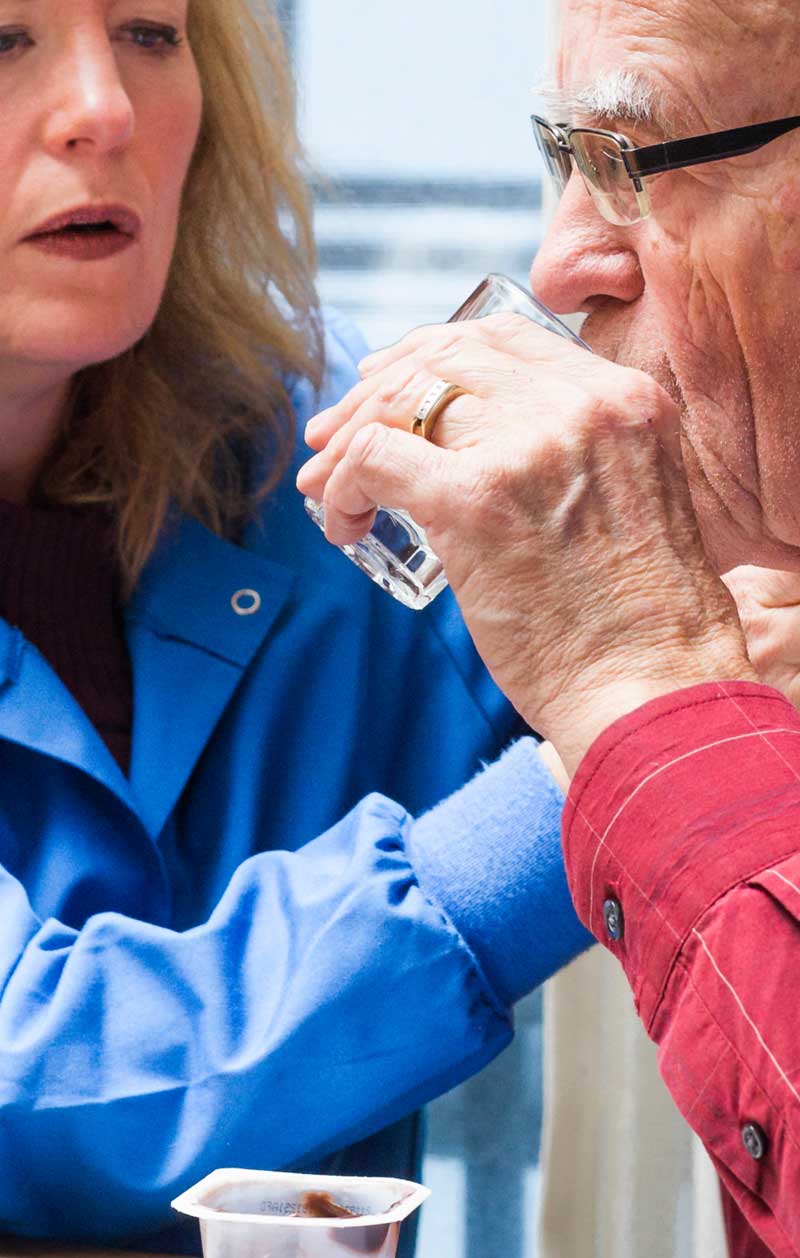

Creating Individualized Care Plans
A vital part of dysphagia training entails finding out just how to develop tailored treatment plans based on private assessments. Each person's needs might differ significantly-- what benefit one may not help another.
Challenges in Taking care of Dysphagia
Common Misunderstandings regarding Dysphagia
Many caregivers may presume that all people with dysphagia require pureed diets; nevertheless, this isn't always true. Education plays a key role here-- dysphagic individuals might have differing levels of difficulty.
Emotional Implications
Living with dysphagia can lead not only to physical challenges but additionally psychological distress such as anxiety Visit this link throughout nourishments or social isolation. This underscores the importance of emotional support as component of extensive dysphagia care training.
Frequently Asked Concerns (FAQs)
What certifies as dysphagia?
Dysphagia refers specifically to problems in ingesting brought on by different medical conditions affecting muscle mass control or coordination.
Can dysphagia be treated?
Yes! Relying on the underlying reason, therapy alternatives might consist of therapy, dietary modifications, or surgical interventions.
How do I understand if someone has actually dysphagia?
Look out for signs like coughing throughout meals, slow-moving eating speed, or problems regarding food sticking in the throat.
Are there different sorts of dysphagia?
Yes! Dysphagia can be categorized into oropharyngeal (related to mouth/throat) and esophageal (related to esophagus).
Is specialized training required for caring for patients with dysphasia?
Absolutely! Specialized training ensures that caregivers understand the intricacies associated with safely handling individuals with this condition.
What resources are readily available for additional education on dyslexia?
Various companies use comprehensive programs varying from on-line modules to hands-on workshops focused on improving caretakers' expertise on this topic.
Conclusion
The trip via understanding dysphagia does not quit at acknowledgment; it extends into activity-- training care staff effectively furnishes them with vital skills required in browsing this complicated condition. By spending time in appropriate dysphagia training courses and welcoming a multidisciplinary approach, we enhance not only patient security yet enrich lives through compassion and understanding. The essence behind Navigating Dysphagia: Crucial Training for Care Staff lies not just in education and learning however in cultivating a compassionate atmosphere where every dish comes to be a possibility for link as opposed to pain. Thus, prioritizing this vital training leads the way toward much better health end results and boosted lifestyle for those influenced by dysphasia.